Open Digital Signalling: breaking down barriers between European railway systems
Open Digital Signalling enables components from different manufacturers and generations to communicate seamlessly
4 reading time

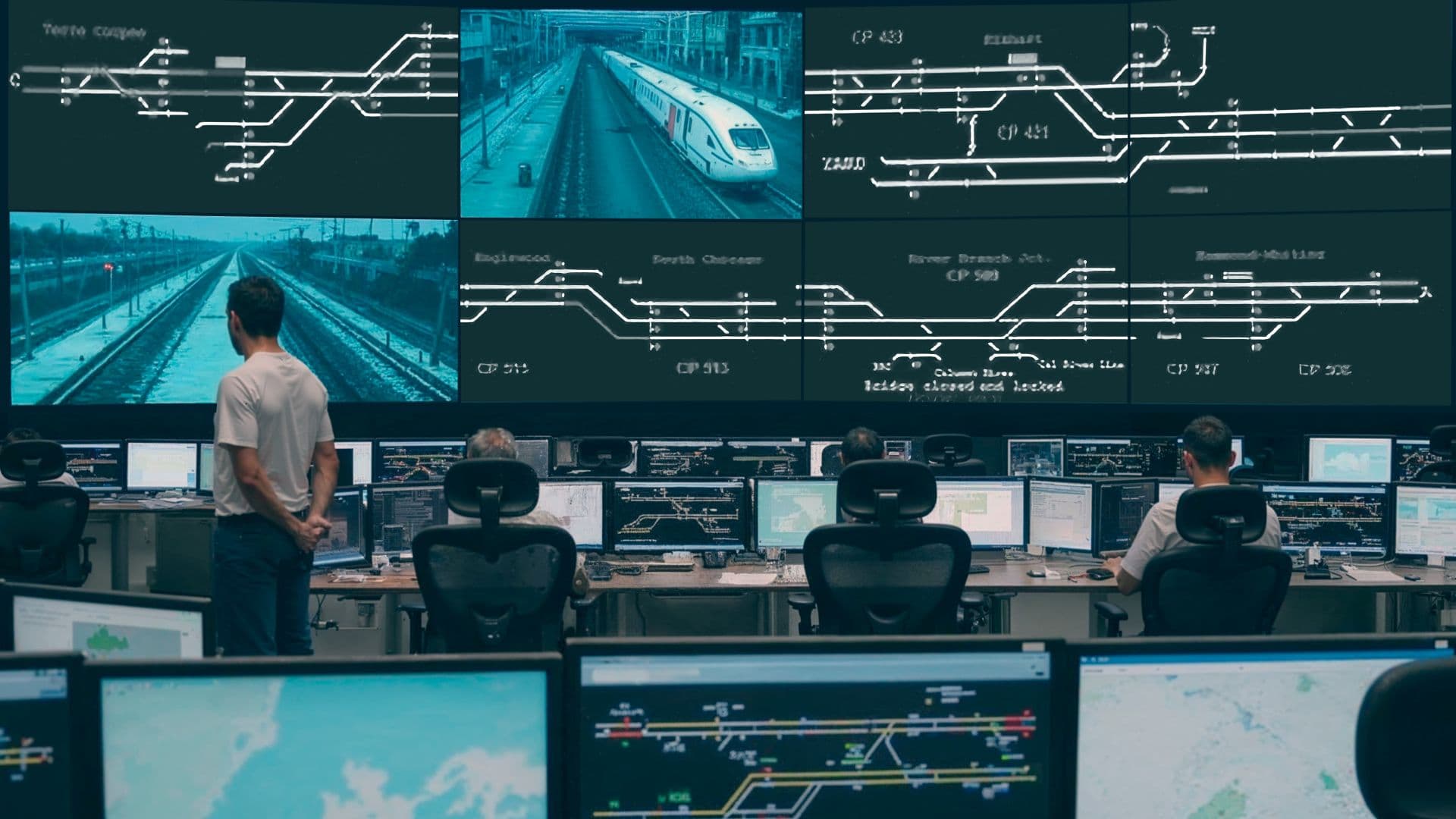
The digital revolution is transforming European rail like never before. At the heart of this change lies the concept of Open Digital Signalling: a new generation of open, interoperable, and secure signalling systems that promise to eliminate traditional barriers and pave the way for more efficient, flexible, and resilient rail mobility.
For decades, the European rail network—except for lines equipped with ERTMS (European Rail Traffic Management System) technology—has been a patchwork of proprietary systems, incompatible interfaces, and closed solutions. Each country, and often each operator, has managed its infrastructure according to its own criteria, hindering cross-border traffic, increasing maintenance costs, and slowing innovation. Interoperability—the ability of signalling systems to work together without friction—was more an aspiration than a reality.
The arrival of Open Digital Signalling radically changes this paradigm. Based on open architectures and common standards, this approach allows components from different manufacturers and generations to interact, making it easier to integrate new technologies while maintaining compatibility with legacy systems.
Security and Flexibility: Pillars of the New Railway Ecosystem
One of the greatest challenges of rail digitalisation is ensuring maximum safety. Open digital signalling maintains the sector’s stringent protection and integrity standards and enhances them through the integration of technologies such as the Internet of Things (IoT), wireless communications, and advanced cybersecurity.
Flexibility is the other cornerstone of Open Digital Signalling. Modular, open architectures make it simple to incorporate new services, integrate systems from different suppliers, and adapt to the evolving needs of operators and passengers. This translates into lower costs, faster deployment, and unprecedented capacity for innovation.
The European Regulatory Framework: CCS TSI and ERTMS
True interoperability would not be possible without a common regulatory framework. The Control-Command and Signalling Technical Specification for Interoperability (CCS TSI), updated in 2023, sets out the technical requirements that signalling systems in Europe must meet, laying the foundations for the ERTMS system—a key enabler of safe and efficient trans-European rail traffic.
The latest CCS TSI update represents a genuine revolution, incorporating specifications for Automatic Train Operation (ATO) and the new Future Railway Mobile Communication System (FRMCS). This reflects Europe’s commitment to interoperability, automation, and digitalisation, ensuring that open digital signalling solutions are compatible and scalable across the continent.
Indra’s Role
Indra is leading the implementation and upcoming rollout of Open Digital Signalling, developing its own digital signalling solutions based on disruptive technologies and leveraging its extensive experience in rail management and operational systems.
A standout innovation is the development of an Open Digital Interlocking based on Commercial Off-the-Shelf (COTS) technology, featuring standardised interfaces, full parameterisation, and adaptability to national and specific functionalities. This will give rail operators flexibility and independence—both from hardware manufacturers and technology providers—boosting sector competitiveness and promoting interoperability.
Within this global framework, Indra has designed an open, flexible, and interoperable signalling architecture aligned with the EULYNX initiative, which aims to establish a common, standardised communication system for signalling.
Indra’s architecture is modular and capable of integrating with third-party systems—traditional or electronic—prioritising collaboration, innovation, and security.
Another differentiating factor is the use of adaptable, secure, and resilient communications in signalling. This will achieve two key objectives: enabling the technological evolution of systems towards FRMCS by removing current dependencies, and facilitating the deployment of advanced signalling solutions through the safe and reliable use of wireless and satellite networks, reducing infrastructure investment costs.
Benefits of the interoperability offered by Open Digital Signalling
The adoption of Open Digital Signalling aligns with Europe’s major sustainability and efficiency goals. Real interoperability enables:
- Optimised track capacity and reduced travel times, making rail more competitive against other modes of transport.
- Facilitated cross-border traffic and integration of new operators, fostering competition and innovation.
- Lower maintenance and modernisation costs, thanks to modularity and standardisation.
- Enhanced passenger experience, with more reliable, secure, and personalised services.
Open Digital Signalling lays the foundations for barrier-free rail mobility, where different systems can communicate and understand each other.
For decades, the European rail network has been a patchwork of proprietary systems, incompatible interfaces, and closed solutions. Each country—and often each operator—has managed its infrastructure according to its own rules, making cross-border traffic difficult, driving up maintenance costs, and slowing innovation. Interoperability, understood as the ability of signalling systems to work together seamlessly, was more an aspiration than a reality.
Recommended for you
Related Articles